
West to East Gippsland, Baw Baw and The Lakes
Back to GPTS homepage To Couples homepage
Login


East Region  


Boating or skiiing anyone?

.... Gippsland beckons.

Between the foothills of the high country to the north and Victoria's eastern seaboard there is a variety of beautiful natural environments, easily accessible from Melbourne. Stay overnight or stay a couple of weeks. There is plenty for the adventuresome spirit to experience, and abundant possibilities for those intent on nothing more than peace and quiet.

Gippsland

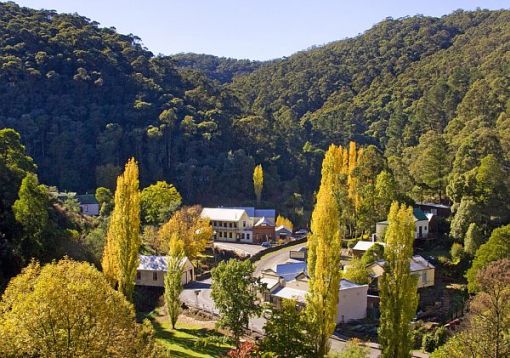
Noojee, located at the junction of the La Trope and Lock rivers not far from the Baw Baw National Park, is a hideaway township towered over by heavily forested slopes of mountain ash. Scenic beauty, and true hospitality, like that found in local bed and breakfasts, are the region's greatest assets.


West Gippsland
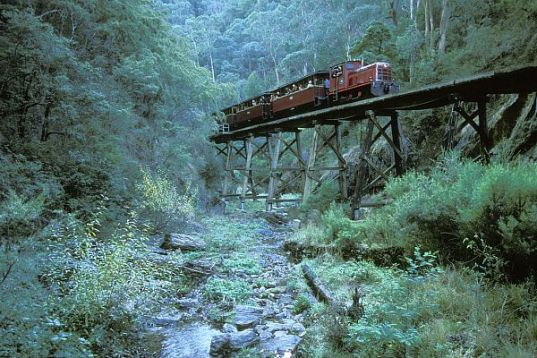
Noojee Trestle Bridge

West Gippsland
Downstream from Toorongo Falls


Nearby attractions include Tarrago Reserve and Toorongo Falls, as well as Glen Nayook Reserve. Many plant nurseries invite to take home a holiday memento. A number of walking tracks are available when the mood for fresh air and Alpine surroundings takes you. But if the stomach beckons there is the Gourmet Deli Trail through Jindivick and Neerim South. Excellent blue and other cheeses have their origin here, made from the milk of the cows on vibrant green grass that seems to be everywhere in the district.

(See also South East Gippsland)

History

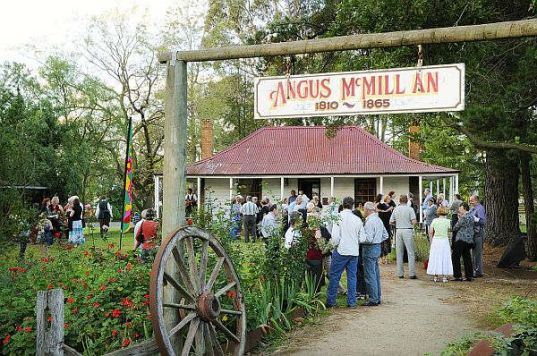
Discovered by Angus McMillan in 1839, the colourful Count Strzelecki passed through the following year officially naming Gippsland in honour of Sir George Gipps governor of New South Wales. Development in the area was accelerated by the discovery of gold at Orbost, Dargo and Crooked River in the mid 1850s. Pastoral and agricultural possibilities were not fully realized though, until the railway was built between Melbourne and Bairnsdale.


Mt Baw Baw Alpine National Park

The closest accessible ski fields from Melbourne, Mt Baw Baw, at a height of 1566 metres, sports an amazing variety of snowboarding fun. Baw Baw National Park extends over most of the granite Plateau, an area of breathtaking beauty. Mount Baw Baw Alpine Village caters for guests with a variety of good accommodation or you can find excellent private accommodation off the mountain. Ski touring, canoeing and fishing in the Alpine areas of the Aberfeldy and Thompson River Valleys make this a gem of a holiday region.


East Gippsland

Further afield at a distance of 300 kilometres from Melbourne is the Gippsland Lakes Coastal Park. Coined the "Victorian Riviera", it offers great escapes for holidaymakers who like to be on the water, although there is also much to be said for the magificent, pristine, inland forests north of Bairnsdale, and the Omeo Highway into the High Plains.

Lakes Entrance, situated on the end of the sandy barrier between the Gippsland Lakes and the Ninety Mile Beach, along Bass strait, marks the entrance to the largest inland lake system in Australia.

In the late 1880s during a stormy night, Nature's might broke through the sand barrier. Only a seasonal gap unsuitable for large crafts until then.

Tourist cruises plyed the lake system before then, but the fishing industry began, only when the exit to the sea was made possible.


The Entrance to the Lakes
The narrow Entrance between the Gippsland Lakes and open water

Today Lakes Entrance harbours the most important deep-sea fishing fleet in Australia. A boating haven, the Gippsland Lakes nowadays gives the visitor a well-rounded boating experience. Hire boats, as well as on sailing or motor tourists vessels one can reach all the corners of this great natural treasure. And the weather gives pleasant surprises even in the midst of winter. Fishing, cruising and surfing are all part of the holiday fun. Lakes Entrance also caters well with a number of outstanding B&Bs - some with water views. Lakes Entrance is a holiday destination must, that you could easily return to year after year, like so many others do.

Lakes Entrance


Mallacoota Inlet

Mallacoota, the eastern-most town of Victoria, is sited at the mouth of a deep inlet of the same name. Life in far east Gippsland may move at a slower pace than the busy areas closer to Melbourne, but this is part of its attraction and a secret well shared by searchers of peace in the know. Travellers taking the coastal route between Sydney and Melbourne are well recommended to visit and even stay the night.

For those who make Mallacoota their holiday destination, they enjoy such past times as fishing for large flathead on the inlet, way up to Gypsy Point, tranquillity on unspoiled beaches and exploring the great wilderness of Croajingolong National Park.


History

Mallacoota, is an aboriginal word for place of meeting or return.

Ben Boyd established the deep sea whaling port here where the Tasman Sea and the South Pacific Ocean meet.

One of Mallacoota's early inhabitants was E.J.Brady author and poet as well as Secretary of Australia's first social league. He created a camp at Captains Point in 1909. Intending to set up a self-sufficient colony for likeminded spirits, long before its time, it could be described as the first eco camp. His guests included Arthur Streeton and Henry Lawson to mention but a few. There is indeed a silent beauty in the dawn mist over the water, and, to this day, painters and poets find inspiration here.


  © Copyright 2000 - 2008 Great Places to Stay. All Rights Reserved.